Gutter Cleaning Hackettstown for Safer and Cleaner Roof Drainage
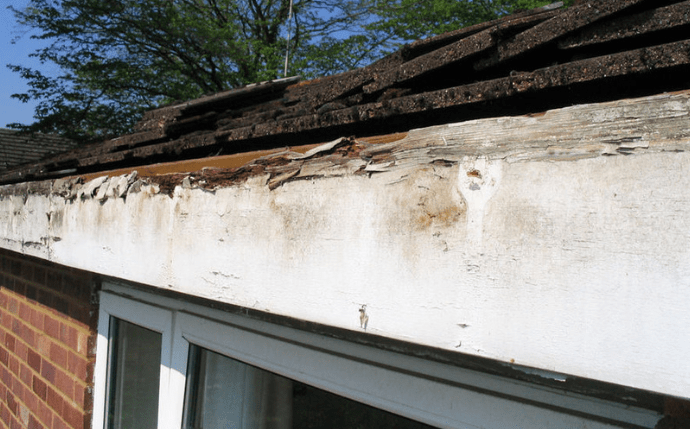

A gutter system does quiet work until it stops working. Then the problems become obvious, expensive, and hard to ignore. Water sheets off the roof edge, mulch washes out of beds, basement walls stay damp, and fascia boards begin to soften. In a place like Hackettstown, where one season can leave behind seed pods and pollen while the next drops armfuls of wet leaves into every trough, regular gutter care is less of a cosmetic chore and more of a property protection measure.
Homeowners often focus on the roof shingles because they are easy to see from the ground. Gutters, downspouts, elbows, and outlet connections get less attention, even though they control where thousands of gallons of rainwater go over the course of a year. When those channels clog, the roof drainage system stops acting like a system at all. Water backs up, spills over, and finds routes it was never meant to travel.
That is why Gutter Cleaning Hackettstown is not simply a maintenance line item. It is a practical way to keep roof drainage moving, reduce moisture around the foundation, and avoid the chain reaction that starts with one neglected trough and ends with rot, staining, or interior leaks.
Why clogged gutters create bigger problems than most people expect
The first mistake many homeowners make is assuming that if water is still coming out somewhere, the gutters are doing their job. That is not always true. A gutter can be partly blocked and still discharge enough water to look functional during a light rain. The failure becomes obvious only during a steady storm, when the volume of runoff exceeds the narrowed path inside the gutter.
At that point, debris acts like a dam. Water ponds in one section, spills over the front edge, and may also run backward beneath the lower edge of the roof covering. In colder weather, trapped water can contribute to ice formation along the roof edge. In warmer months, it creates a damp environment that encourages mildew on siding and moss growth in shaded areas.
The consequences also spread beyond the roofline. Overflowing water lands in concentrated sheets rather than controlled downspout discharge. That can carve channels in flower beds, splash dirt onto siding, saturate soil around the foundation, and stain masonry. On homes with finished basements or crawl spaces, poor roof drainage often shows up indoors as musty smells, damp wall sections, or persistent moisture after heavy rain.
I have seen properties where the owner thought they had a grading problem, only to find the real issue was a packed gutter valley feeding one corner of the house like a fire hose. After a proper cleaning and a simple downspout adjustment, the standing water near the foundation stopped appearing. It is a good example of how roof drainage defects often disguise themselves as something else.
Hackettstown weather makes timing matter
Gutter maintenance is not the same everywhere. Local conditions shape the schedule. Hackettstown homes deal with spring pollen, helicopter seeds, summer storms, autumn leaf drop, and winter freeze-thaw cycles. A house surrounded by mature maples or oaks can collect debris at a very different rate from a home on a newer lot with fewer large trees. Roof pitch, gutter size, tree overhang, and the number of valleys all matter too.
A steep roof tends to move debris fast during storms, which can help clear some material but also jam downspout outlets more tightly. Low-slope sections may allow sludge to settle and compact. Pine needles are their own category of problem because they mat together, trap moisture, and slide into corners and elbows where they are hard to flush out.
Because of that, there is no perfect once-a-year rule for every property. Some homes truly need service twice a year, typically after spring bloom and after fall leaf drop. Others need a third check if they sit under heavy tree cover or if they have a history of downspout blockage. The right schedule comes from observing how fast debris returns, not from copying a generic recommendation.
What a healthy roof drainage system should look like
A clean gutter system is not just empty. It should also be pitched correctly, securely attached, and able to move water from roof edge to discharge point without delay. When a drainage system is working well, rain enters the gutter, flows toward the outlets, travels through the downspouts, and exits several feet away from the house or into an approved underground drain.
That sounds simple, but several details have to align. The hangers need to hold the gutter firmly against the fascia. The trough should have enough slope to avoid standing water but not so much that one end sits visibly low. Seams must stay watertight. End caps should not leak. Downspout straps must be secure. Extensions should discharge away from the foundation and not create trip hazards on walkways.
A proper cleaning often reveals small issues that would stay hidden beneath leaves and muck. A seam that leaks only under heavy flow may not be visible when the gutter is full of debris. A loose spike or sagging bracket can disappear under wet leaf pulp. Once the gutter is cleared and rinsed, these defects become much easier to spot and correct.
Signs your gutters need attention before the next storm
Some warning signs are subtle. Others are impossible to miss. If you know what to watch for, you can catch problems before they lead to water damage.
Overflow during rain is the clearest signal, especially if it happens at one section rather than all along the gutter line. Plants growing in the gutter are another obvious clue. Less dramatic signs include dark streaks on siding, damp soil that stays wet near one corner, peeling paint on fascia, or water marks below a seam. You may also notice birds pecking at the gutter or insects hovering around trapped organic material.
One homeowner in a leafy neighborhood noticed nothing unusual except a patch of ice that kept forming across the front walk every winter. The source turned out to be a partially blocked downspout. Meltwater was escaping at the elbow, dripping behind a shrub, and refreezing across the path overnight. Cleaning the system solved a safety issue that had seemed unrelated to the roofline.
Inside the home, clues can be even easier to misread. Minor staining near the top of an exterior wall, especially below a roof edge or near a valley, may point to drainage backup rather than a failed roof field. Moisture that appears after hard rain but not after snow can also suggest gutter overflow or downspout issues.
What proper gutter cleaning actually involves
Many people picture gutter cleaning as a quick scoop-and-go task. On a simple one-story ranch with open access, that can be close to true. On a taller home with multiple rooflines, tight corners, and heavy debris, the work is more involved.
A thorough job usually starts with removing loose debris by hand or with the right tools, taking care not to grind grit against the gutter finish. After that, the cleaner checks the outlets and flushes the runs to confirm water moves toward the downspouts. Downspouts should then be tested for blockage. If one is clogged, it may need to be flushed from the top, cleared from the bottom, or disassembled at an elbow, depending on where the obstruction sits.
The value of this process is not just the removal of debris. It is the verification of performance. A gutter that looks clean but does not drain because of a hidden downspout obstruction is not fixed. Nor is a system that empties poorly because the pitch has shifted over time. Good service combines cleaning with observation.
There is also a cleanup component that should not be overlooked. Debris should be collected rather than left scattered across beds, lawns, or driveways. That matters for appearance, but it also matters because damp leaf matter left against siding or piled near the foundation defeats part of the purpose.
Safety is a major reason many homeowners hire this out
Ladder work is where a routine home maintenance task can turn serious very quickly. Gutters are awkward to reach because the work requires lateral movement, repeated repositioning, and attention divided between balance and hand work. Add wet leaves, a sloped lawn, overhead wires, or a second story, and the risk climbs fast.
I have watched capable homeowners underestimate how tiring gutter cleaning becomes after the first twenty minutes. Buckets get heavier, footing gets less precise, and the urge to overreach grows. That is often when accidents happen. Even if no one falls, ladders can dent gutters, crush landscaping, or scrape fascia when used carelessly.
Professional crews bring more than labor. They bring stable ladders, safety practices, and the experience to recognize when a section of gutter is too fragile to lean against or when roof access creates more risk than benefit. On homes with steep roofs or high elevations, that experience matters.
DIY versus professional service in Hackettstown
There is nothing wrong with handling gutter cleaning yourself if the house is low, access is safe, and you are comfortable working from a ladder. For some homeowners, especially those who inspect their property regularly and stay ahead of debris buildup, a basic cleaning on a dry day is manageable.
The trouble comes when the task appears simple but the property is not. Multi-level homes, attached garages with awkward transitions, screened porches below the eaves, slate or delicate roofing, and heavy tree cover all change the equation. So do clogged underground drain connections, detached elbows, or evidence of rot behind the gutter line.
A practical way to decide is to ask what you are really dealing with. If the system only needs seasonal clearing, DIY may be reasonable. If there are signs of sagging, leaking joints, repeated overflow, or hard-to-access sections, professional help usually saves time and reduces the chance of missing the real issue.
Cost is part of the decision, of course. Prices vary based on house height, linear footage, roof complexity, and debris load. Rather than chasing the lowest quote, it is smarter to ask what the service includes. A bargain cleaning that skips downspout testing or leaves debris in the yard can cost more later if drainage problems continue.
The role of gutter guards, and their limits
Gutter guards have their place, but they are often misunderstood. They do not make gutters maintenance-free. What they can do is reduce how much larger debris enters the trough. Depending on the design, they may help with leaf accumulation while still allowing small particles, pollen, roof grit, and seeds to work their way in over time.
Some systems perform well under certain tree conditions and poorly under others. Fine mesh can block leaves effectively, but it may also collect debris https://caidenkhrg766.northvaledigest.com/posts/what-to-expect-from-a-gutter-cleaning-service-in-hackettstown on top if overhanging trees constantly drop small material. Reverse-curve designs can shed larger leaves, yet struggle where pine needles or seed pods dominate. Poor installation can create its own issues, including water overshoot during heavy rain.
For homes in Hackettstown with dense tree cover, guards can reduce cleaning frequency, but they rarely eliminate the need for inspection. In fact, one of the most common mistakes is assuming guards solve everything and then ignoring the system for years. By the time someone checks, the gutters may be carrying wet compost beneath the cover while the downspouts are nearly blocked.
Guards should be chosen based on the actual debris pattern around the home, not on broad marketing claims. They are a tool, not a cure-all.
Small drainage corrections that make a big difference
Not every gutter problem requires replacement. Quite a few can be addressed with modest adjustments once the system is clean enough to inspect properly. A loose hanger can be reset. A minor seam leak can be sealed if the surrounding metal is sound. A downspout extension can be added or redirected. Splash blocks can be repositioned. A short section with standing water may need a pitch correction.
These are not glamorous fixes, but they are often the most valuable. Water management is about direction and consistency. Move the runoff where it belongs, keep it moving, and protect the vulnerable points where wood, masonry, and soil meet.
I once looked at a house where the owner was convinced the front gutter needed full replacement because water always poured over the edge near the entry. After cleaning, the real problem was clear. One downspout outlet was packed with maple seeds and roofing granules, and the next hanger had loosened enough to flatten the pitch over a ten-foot span. Clearing the outlet and resetting the support corrected the overflow without replacing the entire run.
That kind of judgment is why inspection should follow cleaning. Debris removal alone tells only part of the story.
Best times of year to schedule Gutter Cleaning Hackettstown
For many properties, late spring and late fall are the most useful service windows. Late spring catches the seed drop, blossoms, and the fine organic material that accumulates after early storms. Late fall addresses the main leaf load before winter freeze conditions turn soggy blockages into icy trouble spots.
Still, fixed calendar dates are less helpful than watching your property. A home ringed by tall oaks may need service after the last major leaf drop, not on an arbitrary October date. A pine-heavy lot may need an additional summer check because needles accumulate steadily rather than all at once. If storms have been frequent and intense, it can also be wise to inspect sooner than planned.
A simple seasonal rhythm works well for most homeowners:
- Check the gutters after spring bloom and seed drop.
- Inspect again after the bulk of autumn leaves have fallen.
- Add a mid-season visit if trees overhang heavily or past clogs have been severe.
- Confirm downspouts discharge away from the home before winter.
- Recheck any trouble spots after major storms.
That schedule is not rigid, but it reflects how debris tends to build in real conditions rather than in ideal ones.
What to ask before hiring a service
Choosing a contractor for gutter work does not need to be complicated, but a few questions can quickly separate a thorough service from a superficial one. Ask whether downspouts are fully tested, whether minor issues like loose hangers will be flagged, and whether debris is removed from the property. If the house is more than one story, ask how the crew handles access and safety.
It also helps to ask how they approach clogs in elbows and underground leaders. Some companies clear only visible gutter debris and consider deeper blockages outside the scope unless discussed in advance. Others include basic flushing and diagnostics. Knowing the difference prevents frustration.
Homeowners should also pay attention to communication. A good provider can explain what they found in plain language. If one section overflows because the pitch is off, or if a downspout keeps clogging because a valley above it dumps concentrated debris, you should hear that. Clear explanation often matters as much as the cleaning itself because it helps you decide whether any follow-up work is worth doing.
The connection between gutter care and overall home value
Routine maintenance rarely gets the credit it deserves because its success is quiet. No dramatic before-and-after photos, no flashy upgrade, no obvious new feature. Yet buyers notice water stains, rotted trim, settled soil around the foundation, and mildew on siding. Inspectors notice improper drainage. Deferred gutter care has a way of showing up in places that undermine confidence in the rest of the property.
Well-maintained gutters support more than drainage. They help preserve fascia, soffits, paint, masonry joints, landscaping, and walkways. They reduce the chance of moisture accumulation near vulnerable areas. They also signal that the house has been looked after with some consistency, and that matters in any market.
For homeowners planning to stay put, the benefit is even simpler. A clean drainage path makes the house easier to live with. Fewer drips at the entry. Fewer muddy splash marks. Less ice near steps. Less worry when a heavy storm rolls through overnight.
A cleaner system, a drier house
Roof drainage problems rarely announce themselves politely. They start small, often out of sight, then become expensive once wood softens, stains spread, or water reaches places it should never reach. Regular gutter maintenance is one of the most direct ways to interrupt that process.
For properties in this area, Gutter Cleaning Hackettstown is about matching maintenance to local conditions, tree cover, roof design, and seasonal weather. The right service keeps water moving from roof to discharge point without backing up, spilling over, or soaking the areas that need to stay dry.
When gutters are clear and the system is draining properly, the payoff is immediate even if it is not dramatic. Rain goes where it should. The roof edge dries faster. The foundation stays better protected. Walkways stay safer. And the house does what it was designed to do, shed water cleanly and move on.
Just Gutters LLC
Address: 262 Main St, Hackettstown, NJ 07840
Phone number: +12013319454
FAQ About Gutter Cleaning Hackettstown
How much should a gutter clean cost?
Professional gutter cleaning typically costs between $163 and $333, with a national average of around $210 to $250 for a standard-sized home.
What months should you clean gutters?
You should clean your gutters twice a year—once in late autumn (November to December) and once in late spring (April to May).
Is it worth paying for gutter cleaning?
Yes, paying for gutter cleaning is worth it because it prevents thousands of dollars in water damage, roof leaks, and structural repairs.